Air Drill Buyer's Guide
Everything you need to know to choose the perfect air drill for your workshop. This comprehensive guide
covers all essential factors from power requirements to advanced features.
Understanding Air Drills
What is an Air Drill?
An air drill, also known as a pneumatic drill, is a power tool that uses compressed air to rotate a drill bit.
Unlike electric drills that rely on motors and batteries, air drills are powered by an air compressor,
making them lighter, more durable, and ideal for continuous professional use.
Advantages of Air Drills
- Lightweight Design: Without heavy motors or batteries, air drills are significantly lighter, reducing operator fatigue during extended use.
- Superior Durability: Fewer moving parts mean less wear and tear, resulting in longer tool life and lower maintenance costs.
- Consistent Power: Air drills maintain steady power output as long as the compressor is running, unlike battery tools that lose power as they discharge.
- No Overheating: Compressed air naturally cools the tool during operation, preventing overheating even during continuous use.
- Lower Operating Costs: No batteries to replace and minimal electrical consumption makes air drills economical for professional shops.
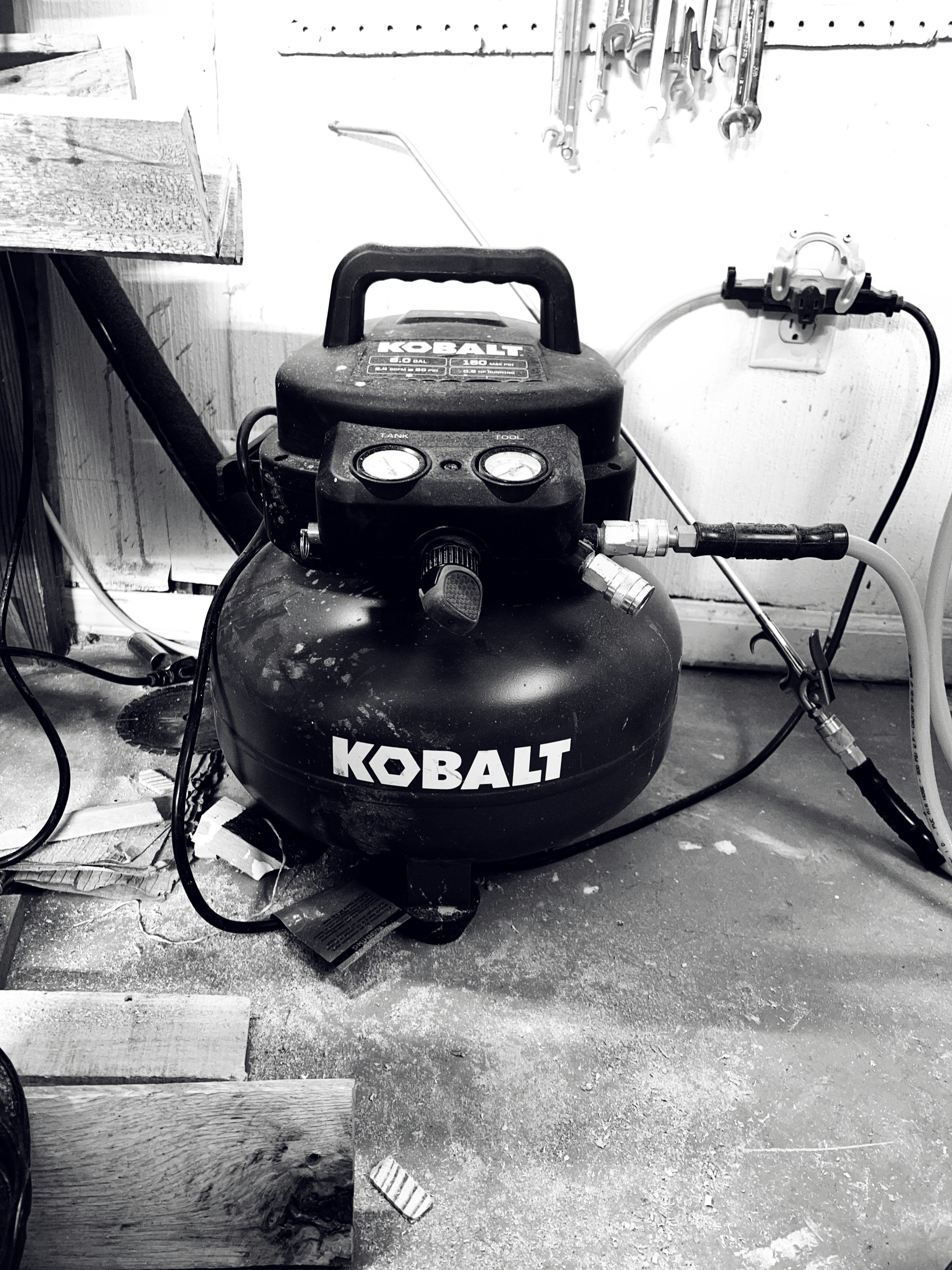
A properly configured air compressor system is essential for optimal air drill performance
Key Specifications Explained
Power (Horsepower)
Air drill power is typically rated in horsepower (HP), ranging from 0.3 HP to 0.8 HP for most models:
- • 0.3-0.4 HP: Light-duty applications, automotive work, general repairs
- • 0.4-0.5 HP: Medium-duty tasks, professional workshops, versatile use
- • 0.5-0.8 HP: Heavy-duty industrial applications, large-diameter drilling
RPM (Revolutions Per Minute)
RPM indicates how fast the drill bit spins. Different applications require different speed ranges:
- • 1,200-1,500 RPM: High torque for large bits and tough materials
- • 1,800-2,000 RPM: Balanced performance for general applications
- • 2,500+ RPM: High-speed drilling in softer materials, smaller holes
Chuck Size
The chuck determines the maximum drill bit diameter your tool can accommodate:
- • 3/8 inch (10mm): Ideal for most general drilling tasks, lighter weight, easier handling
- • 1/2 inch (13mm): Accommodates larger bits, more versatile, better for heavy-duty work
Air Consumption (CFM)
CFM (Cubic Feet per Minute) indicates how much air the drill uses. Most air drills require 4-6 CFM at 90 PSI.
Ensure your air compressor can deliver the required CFM with a margin for consistent performance. A compressor
rated at least 25% above the tool's requirement is recommended.
Essential Features to Consider
Reversible Operation
A reversible drill allows you to switch between forward and reverse rotation, essential for removing screws and extracting stuck bits. Look for models with easily accessible reverse switches that can be operated without changing grip position.
Variable Speed Control
Variable speed control, typically achieved through trigger pressure, allows you to adjust drilling speed based on material and bit size. This feature provides better control and prevents damage to workpieces. Some models also include a speed regulator for setting maximum speeds.
Ergonomics and Grip
Comfortable ergonomics are crucial for reducing fatigue during extended use. Consider these factors:
- • Pistol Grip: Most common design, comfortable for general use, good for vertical drilling
- • Inline Grip: Better for tight spaces, allows different working angles
- • Angle Grip: Specialized for hard-to-reach areas, awkward angles
- • Grip Material: Rubber or composite grips reduce vibration and improve comfort
Build Quality and Materials
Professional-grade air drills feature metal housings (typically aluminum or steel alloy) for maximum durability. Composite housings are lighter and suitable for lighter-duty applications. Check for quality internal components, including hardened steel gears and precision-machined parts for longevity.
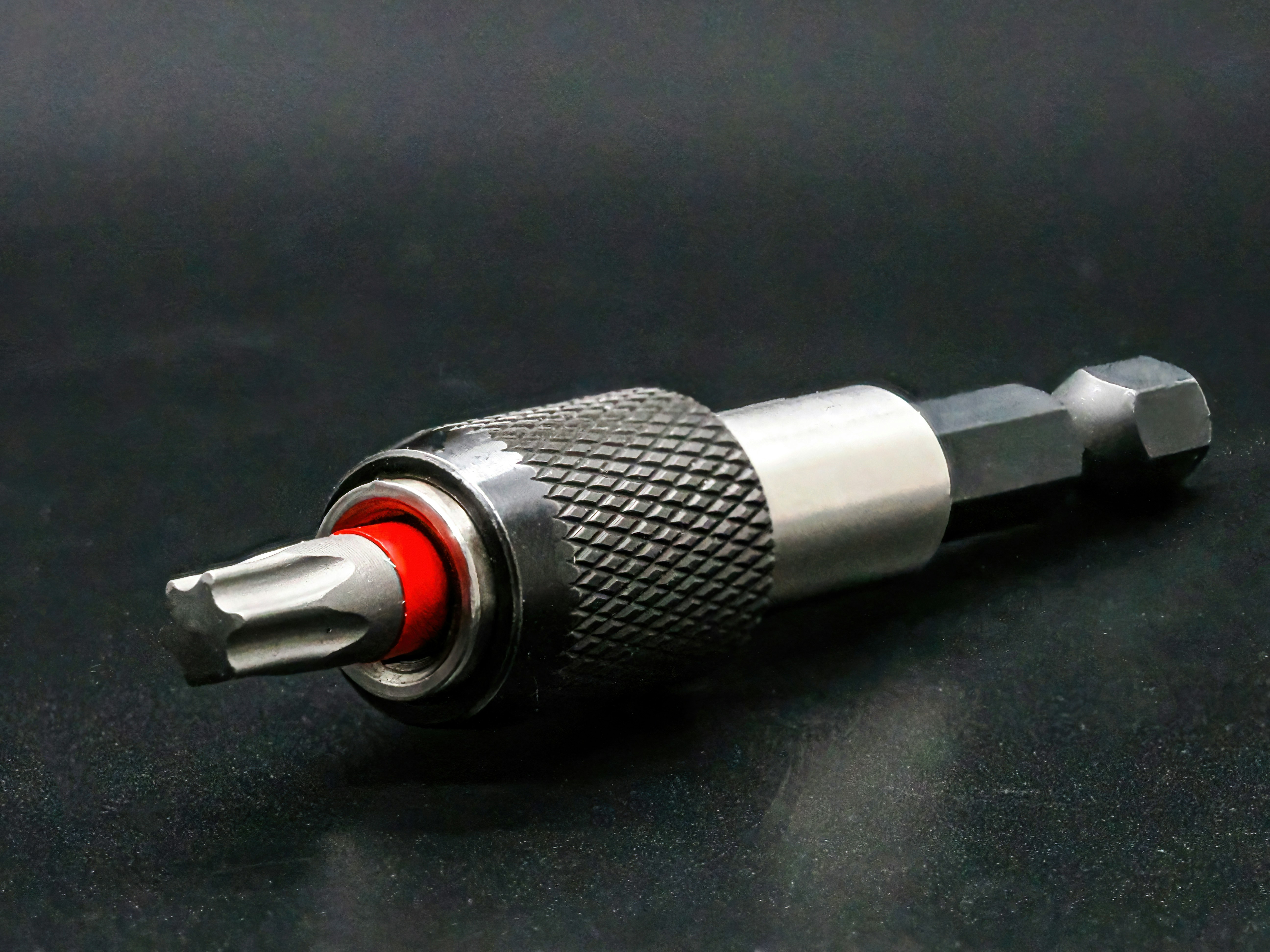
Quality construction with precision components ensures reliable long-term performance
Choosing the Right Air Drill
For DIY and Home Use
Recommended specifications:
- • Power: 0.3-0.4 HP
- • Chuck: 3/8 inch
- • RPM: 2,000-2,500
- • Budget: $50-$150
For Professional Automotive Work
Recommended specifications:
- • Power: 0.4-0.5 HP
- • Chuck: 3/8 or 1/2 inch
- • RPM: 1,800-2,000
- • Budget: $150-$300
For Industrial Applications
Recommended specifications:
- • Power: 0.5-0.8 HP
- • Chuck: 1/2 inch
- • RPM: 1,200-1,800
- • Budget: $300-$600+
Air Compressor Requirements
Matching Your Compressor
Your air compressor must meet your drill's CFM requirements at the specified PSI (typically 90 PSI). Consider these guidelines:
Tank Size
- • 20-30 gallons: Sufficient for occasional use and light-duty applications
- • 60-80 gallons: Recommended for regular professional use
- • 80+ gallons: Best for continuous operation and multiple tools
Compressor CFM Rating
Always choose a compressor with a CFM rating at least 25-30% higher than your tool's requirement. This ensures consistent performance and prevents the compressor from running continuously, which extends its lifespan. For example, if your drill requires 5 CFM, choose a compressor rated for at least 6.5-7 CFM at 90 PSI.
Air Line Considerations
- • Use minimum 3/8 inch diameter hose for most applications
- • Keep hose length under 50 feet when possible to minimize pressure loss
- • Install a water separator and filter to protect your tools from moisture
- • Use quality quick-connect fittings to prevent air leaks
Maintenance and Care
Daily Maintenance
- • Add 2-3 drops of pneumatic tool oil to the air inlet before each use
- • Check air hose connections for leaks
- • Drain moisture from the air compressor tank
- • Wipe down the tool after use to remove debris and moisture
Weekly Maintenance
- • Clean air filter in the compressor system
- • Inspect chuck for wear and proper operation
- • Check and clean air vents on the tool
- • Test reverse function if applicable
Monthly Maintenance
- • Disassemble and clean the chuck mechanism
- • Inspect internal components for wear
- • Replace worn seals or O-rings
- • Verify torque and speed performance
Pro Tip:
Regular lubrication is the single most important maintenance task for air drills. Without proper lubrication, internal components will wear rapidly, reducing performance and tool life. Consider installing an inline oiler in your air line system for automatic lubrication.
Common Questions
What size air compressor do I need?
For most air drills, a compressor delivering 5-7 CFM at 90 PSI is sufficient. Professional users should consider 60-80 gallon tanks for continuous operation without frequent cycling.
Can I use an air drill with a small portable compressor?
Small portable compressors (1-6 gallons) typically don't provide sufficient CFM for continuous drilling. They may work for brief, intermittent use but will cycle frequently and may not maintain consistent pressure.
How long do air drills last?
With proper maintenance, quality air drills can last 10-20 years or more in professional use. The simple pneumatic design has fewer parts to wear out compared to electric drills.
Are air drills better than electric drills?
Air drills excel in professional environments where continuous use, light weight, and durability are priorities. Electric drills offer more portability and convenience for mobile work. The best choice depends on your specific needs and existing equipment.