10 Common Air Drill Mistakes and How to Avoid Them

Air drills are the workhorses of professional workshops, renowned for their durability and power-to-weight ratio. However, even the most robust pneumatic tool can be brought to its knees by improper usage. In 2025, with advanced composite materials and precision engineering becoming standard, treating your air drill correctly is more critical than ever.
Whether you're a seasoned fabricator or a DIY enthusiast setting up your first shop, these common pitfalls can dramatically shorten your tool's lifespan and ruin your projects. Here are the 10 most common mistakes we see in the field—and exactly how to fix them.
1. Starving the Tool of Oil
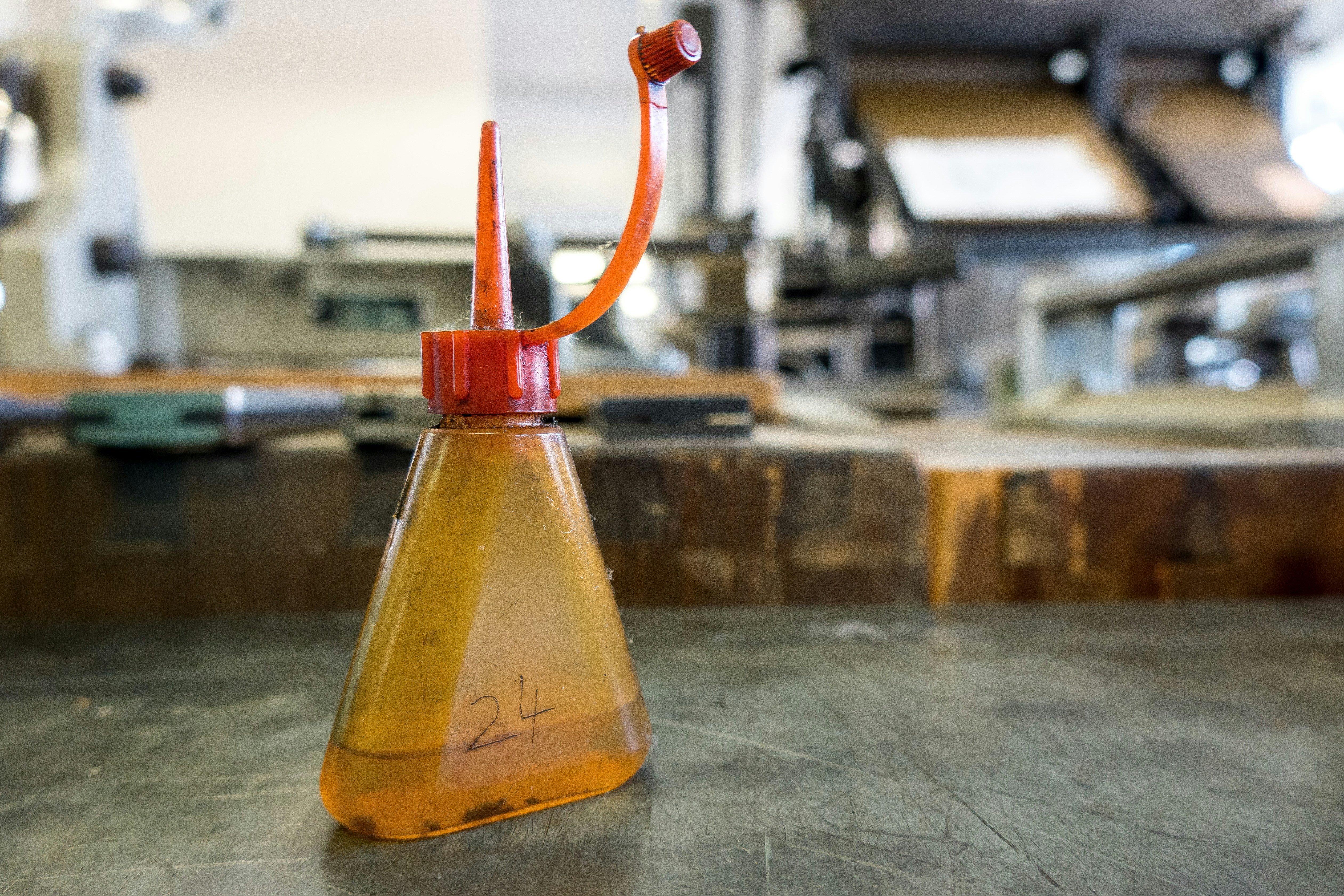
The number one killer of air drills is lack of lubrication. Unlike electric drills which are permanently sealed, pneumatic motors rely on a constant thin film of oil to seal the vanes against the cylinder wall and prevent metal-on-metal contact.
The Fix:
Add 2-3 drops of high-quality pneumatic tool oil directly into the air inlet before every use. For continuous work, re-oil every hour or install an automatic inline lubricator.
2. Using Incorrect Air Pressure (PSI)
"More power!" is a common mantra, but cranking your compressor regulator to 120 PSI for a tool rated at 90 PSI is a recipe for disaster. Over-pressure causes excessive speed and heat, leading to premature bearing failure and potentially dangerous bit shattering.
Conversely, running too low pressure (under 80 PSI) causes the motor to stall under load, leading to frustration and poor drilling results.
- Check the manual: Most air drills are designed for 90 PSI (6.2 bar) dynamic pressure.
- Measure at the tool: Use a mini-regulator at the tool inlet to ensure line loss isn't giving you a false reading at the compressor tank.
3. Ignoring Moisture in the Line
Compressed air creates condensation. If you don't trap this water, it shoots straight into your expensive drill. Water causes rust on internal steel parts, washes away lubricant, and can freeze the motor in cold weather.
Warning Sign:
If you see a mist of water spraying from your tool's exhaust, stop immediately! Your air dryer or water separator is full or failing.
4. Using Restrictive Air Hoses
You bought a high-performance 0.5 HP drill but connected it with a flimsy 1/4" coiled hose. You've just choked your tool. Small diameter hoses restrict airflow (CFM), causing a massive pressure drop when you pull the trigger.
Recommended Hose Sizes
| Hose Length | Minimum Diameter | Best For |
|---|---|---|
| Under 25 ft | 3/8" I.D. | General Workshop |
| 25 - 50 ft | 3/8" or 1/2" I.D. | Automotive / Heavy Duty |
| Over 50 ft | 1/2" I.D. | Industrial |
5. Forcing the Bit
Pneumatic motors have different torque curves than electric motors. When the bit grabs, an air motor will slow down. Many users react by pushing harder. This creates excessive heat at the bit tip, dulling it instantly, and puts massive side-load on the drill bearings.
Pro Tip: Let the RPM do the work. Use sharp bits and moderate pressure. If the drill slows significantly, back off slightly to let the motor recover speed.
6. Neglecting the Chuck
Debris, metal shavings, and sawdust love to accumulate inside keyed and keyless chucks. Over time, this grit prevents the jaws from tightening evenly, leading to bit wobble (runout) or slippage.
7. Storing Tools on Concrete Floors
Concrete holds moisture and is often colder than the ambient air. Leaving your air drill on the floor promotes internal condensation and external corrosion. Plus, it's a tripping hazard that often results in a broken housing when kicked.
8. Using Wrong Fittings
Not all 1/4" NPT fittings flow the same. Cheap "automotive style" couplers often have restrictive internal passages. "High-Flow" or "V-style" fittings can increase your tool's available power by up to 20% simply by allowing more air through.
9. Skipping the Filter-Regulator-Lubricator (FRL)
Plugging directly into the compressor tank is a rookie mistake. An FRL unit is essential for protecting your investment. It filters particles, regulates pressure consistency, and introduces a micro-mist of oil.
Check out our guide on How to Set Up Your First Air Compressor System for proper installation.
10. Failing to Flush After Use
If you're not going to use the drill for a week or more, flush it! Old oil can become gummy and varnish-like. Before long-term storage, add extra oil, run the tool for 5 seconds to coat everything, and store it in a dry place.
FAQ: Air Drill Maintenance
Can I use WD-40 to lubricate my air drill?
No! WD-40 is a solvent, not a lubricant. It will wash away the actual grease and oil, leading to seized bearings. Use proper pneumatic tool oil only.
Why is my air drill losing power?
Check three things: 1) Is your compressor maintaining pressure? 2) Is your air filter clogged? 3) Are the tool's internal vanes worn out? Usually, it's just lack of oil!
How often should I grease the planetary gears?
For daily users, grease the reduction gears (usually via a grease fitting on the head) once a month. Occasional users can do this every 6 months.
What oil weight should I use?
Standard ISO 32 (SAE 10 weight) non-detergent oil is the industry standard for air motors.
Is it normal for my air drill to get cold?
Yes. As compressed air expands, it absorbs heat, cooling the tool. However, if ice forms on the exhaust, your air supply has too much moisture.
Recommended Products
Keep your tools running smooth with these essentials:
- ✅ Top Rated Tool Oil: See our accessories guide
- ✅ Best High-Flow Fittings: See our accessories guide
- ✅ Must-Have Inline Filter: See our accessories guide